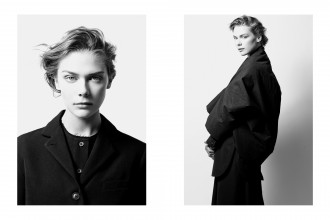

The winners of the Mindful Fashion Circular Design Awards were announced at a gala event with New Zealand’s finest fashion innovations made from reimagined waste materials.
Designers and businesses from around the country were challenged to showcase innovative ways to keep materials in use while guiding their work with a dual-lens of their unique place in the world and circular economy principles.
Four outstanding creations have taken out top honours, and the Supreme Award winners share in a $50k prize pool.
Jacqueline Tsang received the Award for Creative Excellence in Circular Design. Her look, ‘Fabric has Memory,’ redesigned obsolete coffee sacks sourced from local cafes, damaged kimonos, and vintage tapestries to create a high-fashion luxury outfit.
Sue Prescott won the Award for Material Innovation for her entry, ‘Southerly Change’. Prescott’s design incorporated 95 percent sail-cloth waste, locally sourced from Wellington. The final look offered protection and joy through the use of colour and silhouette and showed that once a fabric reached the end of its intended first life, it still had life to live.
Ella Fidler’s design, ‘Scrap Yarn,’ won the Award for Excellence from a Rising Talent in Circular Design. Fidler assessed the full life cycle of her fabric and chose waste from the production process that would be recyclable at the end of its new life.
The winner of the Circular Business Innovation Award (new in 2024) was Untouched World for its Rubbish Socks initiative, which stood out to judges for fully embodying the pillars of circularity. Data provided in the entry showed an outstanding 99 percent textile waste recycling rate.
In the last year, Untouched World has diverted over a tonne of textile waste, recycled through various streams, including Rubbish Socks.
Jacinta FitzGerald, Mindful Fashion's Chief Executive, acknowledged the outstanding creativity and calibre of the finalists this year, from design concepts to craftsmanship.
“This year, the judging panel was extremely impressed by the overall high quality of work from entrants. Our Supreme winners treated their chosen textiles as precious resources and used them to produce an outcome of greater value, treating them not as a limitation but as a starting point for innovation,” said FitzGerald.
“Encouragingly, we noticed an increased focus on tackling industry and business waste streams and thoroughly enjoyed understanding how each designer had chosen to take on the challenge.”
She added that one of the intentions of these awards was to educate consumers and businesses on the importance of moving towards circular systems, which have the potential to reduce emissions by one-third.
“Textile waste starts at the design stage, so Mindful Fashion NZ has devised the Circular Design Awards to inspire and educate the next generation of designers in Aotearoa to rethink their foundational practices and design towards a circular future. If the Supreme winners’ creations are anything to go by, there’s a positive future ahead.”
Delivered in partnership with the Gattung Foundation, the Awards celebrated the best innovation in sustainable design and business. They educate the next generation of designers to design for circularity from the beginning and reimagine fashion as waste-free. They also showcase the best-practice initiatives from New Zealand businesses leading the charge.
Earlier this year, Mindful Fashion released the hard-hitting ‘Threads of Tomorrow’—Crafting the Future of Aotearoa New Zealand’s Fashion, Clothing, and Textiles Landscape. The report identified that 52,000 tonnes of clothing waste go to landfills annually.
Mindful Fashion has been using initiatives like the Circular Design Awards to champion the local industry's move toward a circular future. It follows the four action areas and fifteen corresponding recommendations identified in the Threads of Tomorrow report, which provides a clear roadmap for the industry.
Read more here