
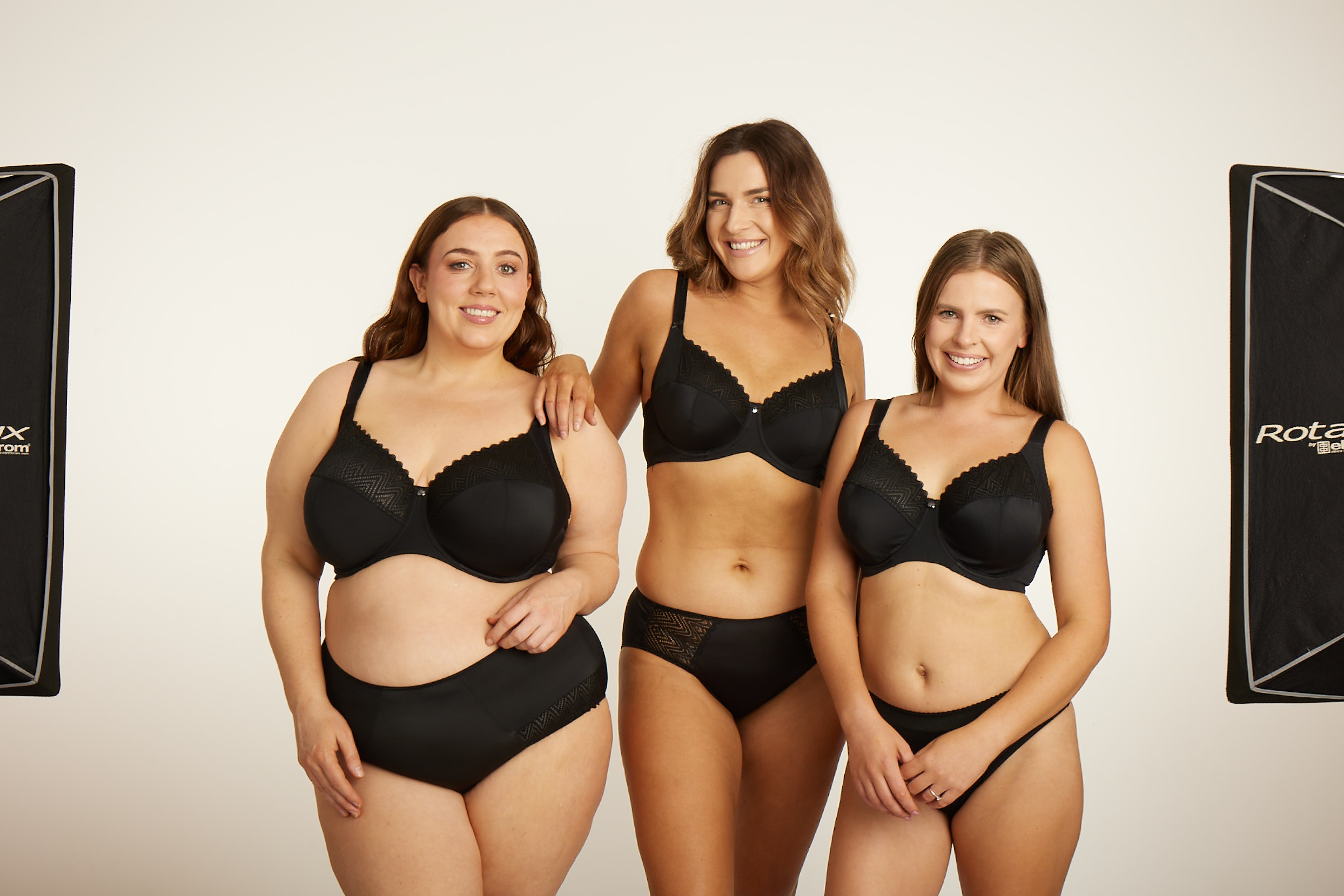
One of New Zealand’s largest lingerie designers is set to expand its virtual bra-fitting model to address the lack of access to specialised advice faced by rural women on both sides of the Tasman. Experts say wearing a correctly fitted bra is essential for maintaining good posture and preventing back and shoulder pain, particularly for those in active work roles.
The digital model developed by Rose & Thorne connects women with professional bra fitters via live online consultations, allowing them to receive personalised sizing advice without the need for in-person fittings, which are often unavailable locally.
Rich Carey, general manager of Rose & Thorne, said rural women across New Zealand and Australia often face challenges finding bras in the right size due to limited retail options in small towns.
"Women in urban centres have the advantage of in-store fittings and access to a variety of brands and sizes, but rural women are often left with few choices," said Carey. "Our virtual fitting service ensures they have expert support from the comfort of their own homes. Whether they’re on a farm in Otago, a station in the outback, or simply living far from major shopping centres, they can access personalised advice and a full range of sizes without compromise."
He explained that if you open a lingerie store in a rural town, you’d need to stock at least 70 sizes in each bra style, which is not viable for most retailers. "Our digital model removes those barriers, allowing us to offer a complete size curve, including hard-to-find sizes like 24K."
"Many women, particularly those living in rural areas, have gone years without finding a bra that truly fits. Our online tools, combined with live virtual fittings, are making high-quality, supportive lingerie more accessible than ever," he said.
Carey said the New Zealand bra market is valued at $254 million and is growing at three percent annually. Unlike many lingerie brands that rely on traditional retail partnerships, their new digital-only model allows the company to offer a broader size range while creating the operational efficiency and inventories needed to service the trans-Tasman rural market.
"In contrast to our domestic environment, Australia is a $1.7bn bra market and is growing at over four percent each year," he said. The demand for size inclusivity and convenience in the Australian lingerie market is significant and expected to double the size of the business by 2027. The move to a digital model is designed to help them target a market segment that prefers not to shop for lingerie in-store or who live too far away to access a selection that meets their individual needs.
They are seeing significant growth opportunity in key market segments, including rural areas. They are now focused on educating the market around their range of products for those needing larger cup or back sizes and the available fitting tools, such as live online fittings. Carey added that the company is well positioned to capitalise on a global trend of steadily increasing bust sizes among women.
Rose & Thorne recently launched K-cup-sized bras into its range, extending its size curve from 10C to 24K, and is currently developing even larger sizes.
"It’s widely acknowledged that humans are getting larger, and that’s reflected in demand for bigger cup and back sizes," he said. "Over 60 percent of our K-cup sales have been in size 18 or up backs, and our best-selling K-cup size is 24K, which shows just how underserved this segment has been."
"With over 18 months of development, we have refined this new size to the point where less than a tenth of products purchased online are exchanged."
Rose & Thorne has already carved out a dominant position in New Zealand and is now shifting its focus to Australia. "The growth of our digital sizing model is allowing women on both sides of the Tasman to have experts support them through the fitting from the comfort of their home. Australia is only making up a third of our revenue at the moment, but we know it should be two to three times what our New Zealand market is."
"If we can get the word out there, the multi-million dollar opportunity will be significant for our locally designed label," Carey said.
Despite its positive growth trajectory, the company is navigating a challenging retail environment. Once it has expanded its share of the Australian market, it will look to develop a new distribution model for North America and the UK.
"Most companies are facing double-digit declines in revenue, yet we grew by ten percent annually. Once the economic environment improves, we expect to see even stronger gains. Another challenge is the rising cost of international shipping, which has made exporting beyond Australasia less viable currently."
Shipping costs have increased by about 40 percent over the last few years, which has significantly impacted their ability to sell into offshore markets like the US and the UK.
"Right now, our focus is on cracking Australia, which still represents a huge growth opportunity, but beyond that, we will look at other markets where we can enter using other distribution models."