
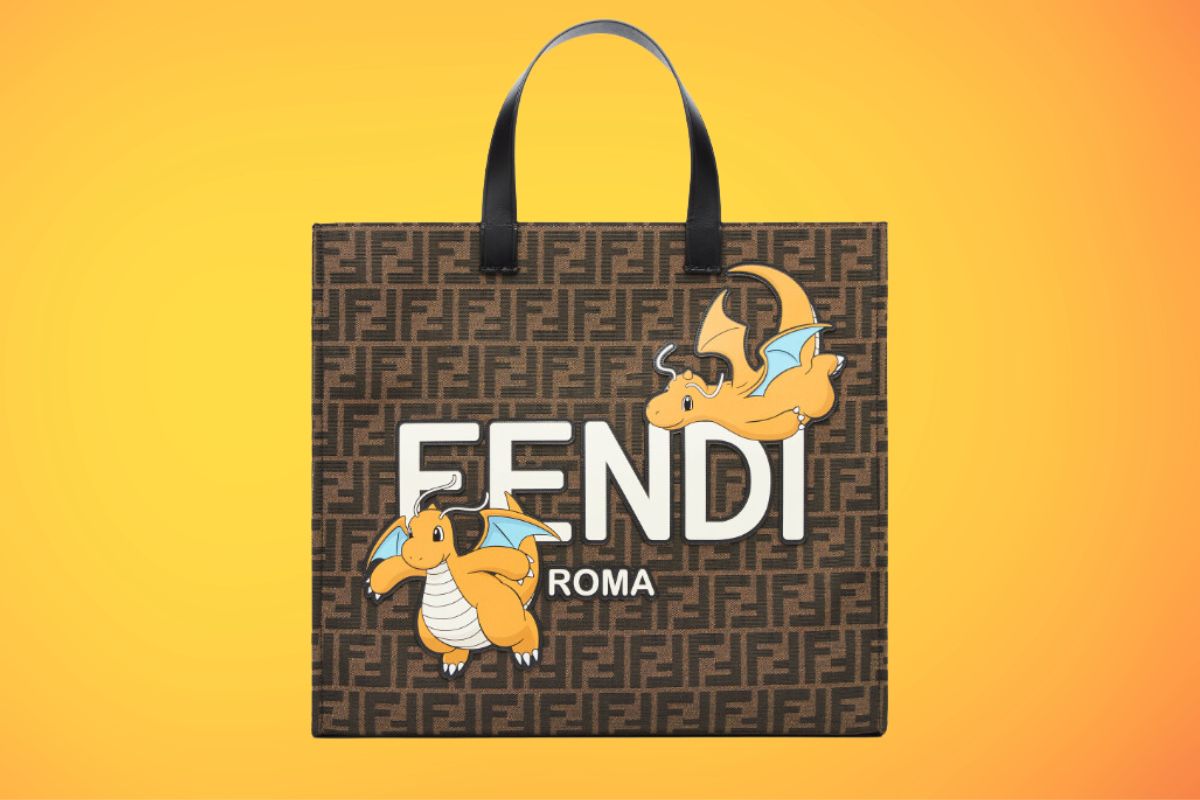
According to a Euromonitor expert, Lunar New Year campaigns are set to evolve to capture and celebrate new and exclusive experiences, especially in the fashion industry.
Lisa Hong, Consultant at Euromonitor International, said this approach is straightforward and highly effective in engaging a loyal Asian consumer base. While not always directly translating into immediate sales, these strategies will help brands enhance their image and rapport with local consumers.
Hong pointed to Fendi's 2024 collaboration with POKÉMON incorporating popular dragon characters like 'Dragonair', 'Dratini' and Dragonite' as a notable example. Millennials and Gen Z consumers globally eagerly line up for hours in front of pop-up stores showcasing their favourite characters or artists to enjoy the unique experience. Lunar New Year campaigns will also evolve to capture and celebrate such exclusivity.
Hong said it is anticipated that marketing practices like this will move beyond repetitive annual campaigns and embrace a sense of exclusivity through collaborations with famous artists or characters, set to gain significant consumer response, especially among the younger generation.
One of Euromonitor's top analysts explains that social media channels are vital when reaching and engaging with current and potential consumers. This method can be strengthened through initiatives such as Lunar New Year campaigns.
Fflur Roberts, Head of Luxury Goods at Euromonitor International, explained that while China's economic recovery path remains highly uncertain, price growth is projected to gather pace in 2024 to accelerate consumer spending and revive tourism flows.
Indeed, the future for luxury goods in China continues to look bright for those looking to capitalise on high-spending, digitally savvy and social media-friendly Chinese consumers.
"During the festival period over Lunar New Year, luxury brands should leverage their digital platforms and social media to engage with consumers. They should develop creative and interactive campaigns that tell a story around the Lunar New Year that blends the modernity of our digitalised consumer landscape with the strong heritage and history of the Lunar New Year," said Roberts.
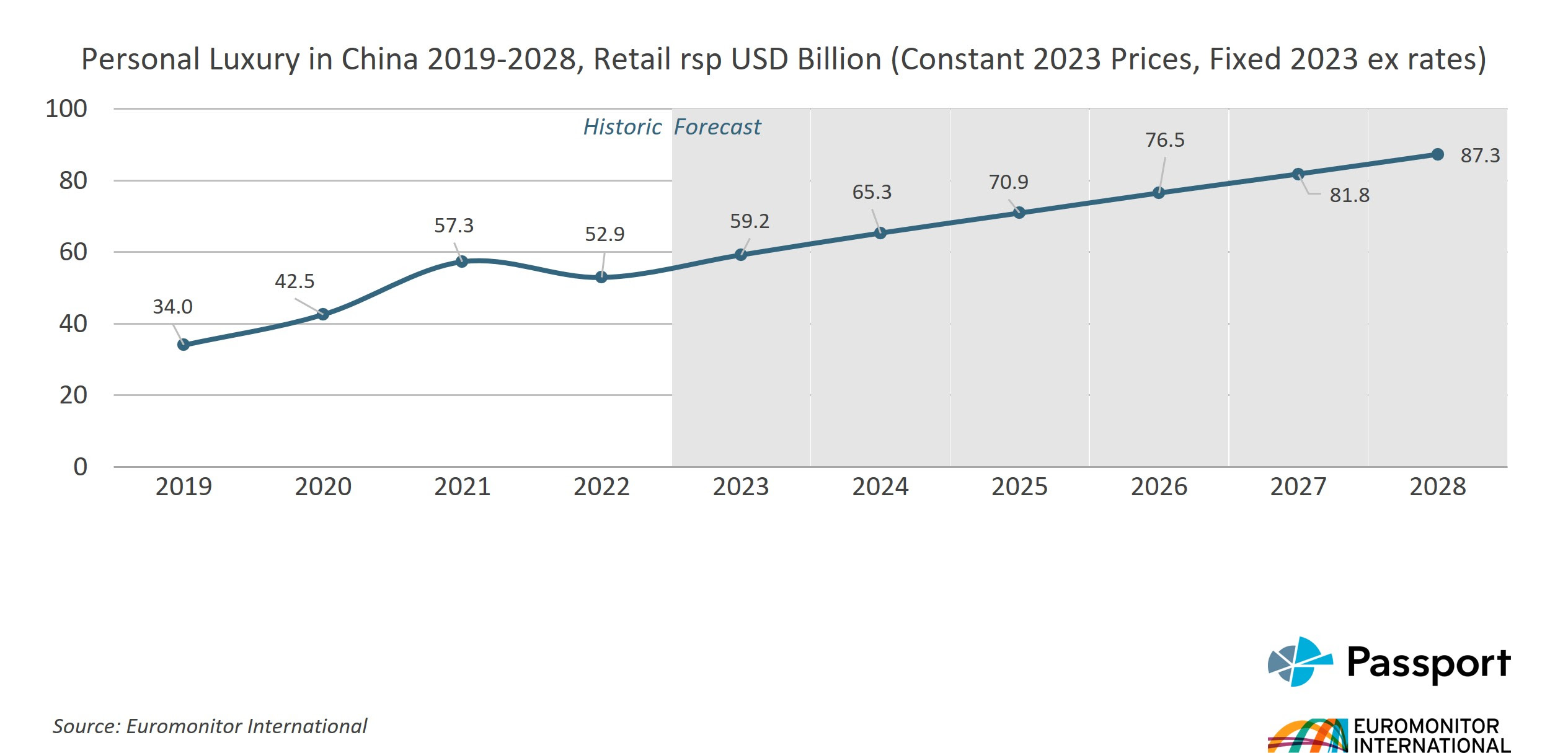
Chinese consumer's spending on personal luxury goods surpassed pre-pandemic levels by the end of 2022 and has continued to grow year-on-year to reach US$59 billion by 2023, with its personal luxury goods spending forecasted to reach $88 billion by 2028.
Hong Kong, another big market for Lunar New Year cultural events and festivals, saw a rebound of 23.2 percent in personal luxury spending by the end of 2022 – the most considerable rebound in the Asia Pacific. With spending included on luxury cars and luxury alcoholic drinks, Hong Kong is projected to sustain its leading position in per capita expenditure on luxury goods from 2024 to 2028.
Luxury brands are also looking to invest more in the Chinese shopper at home, on the mainland and the tax-free-shopping island of Hainan rather than travelling abroad.
Roberts said that by embracing the cultural significance of events like the Lunar New Year and incorporating these elements into their marketing and product strategies, luxury brands can enhance their appeal and forge stronger connections with consumers, especially Chinese consumers, during festive seasons both at home and abroad among the broader consumers in East and Southeast Asia.
"After more than three long years of disruption, luxury goods and travel are finally in a position where every piece of the puzzle is in its place."
At the end of 2022, the last restrictions were removed in key regions like Asia Pacific. China reopened to international tourism in January 2023, creating a critical demand source for luxury goods, travel and hospitality. Now more than ever, global luxury brands must adapt their new playbooks to successfully engage with Chinese customers at home and abroad.