From the Southern Alps to Milford Sound, dramatic landscapes that take our breath away might also make us rethink our next purchase.
According to a new study co-authored by University of Auckland marketing experts Associate Professor Yuri Seo and Divya Tewari, feelings of awe, sparked by nature’s grandeur, can inspire consumers to buy fewer but higher-quality products.
Published in the Journal of Business Research, the study suggested that awe makes people more future-focused and sustainability-minded, leading them to ‘buy less, buy premium’, such as choosing a durable, well-made item rather than several cheaper ones.
"Awe can expand our sense of time and perspective," said Dr Seo.
"It makes people think beyond immediate gratification and consider the long-term impact of their choices. That can translate into more mindful, sustainable consumption."
Across four experiments on participants from New Zealand and the US, the researchers showed that awe-inspiring imagery and videos, such as spectacular mountains, waterfalls, and lakes, can be used in marketing and education to encourage consumers to value quality and longevity over volume.
In one experiment, 150 participants were divided into three groups (awe, amusement, control group) and shown different clips: an awe-inspiring scene from the BBC’s Planet Earth II trailer, a humorous animal segment from the BBC’s Walk on the Wild Side, or a neutral video showing goby fish and pistol shrimp.
After watching, they completed a writing task designed to reinforce their emotional state. For example, those in the awe group wrote about a personal moment when they’d felt awe. They then rated how strongly they felt that emotion before completing what appeared to be an unrelated shopping exercise.
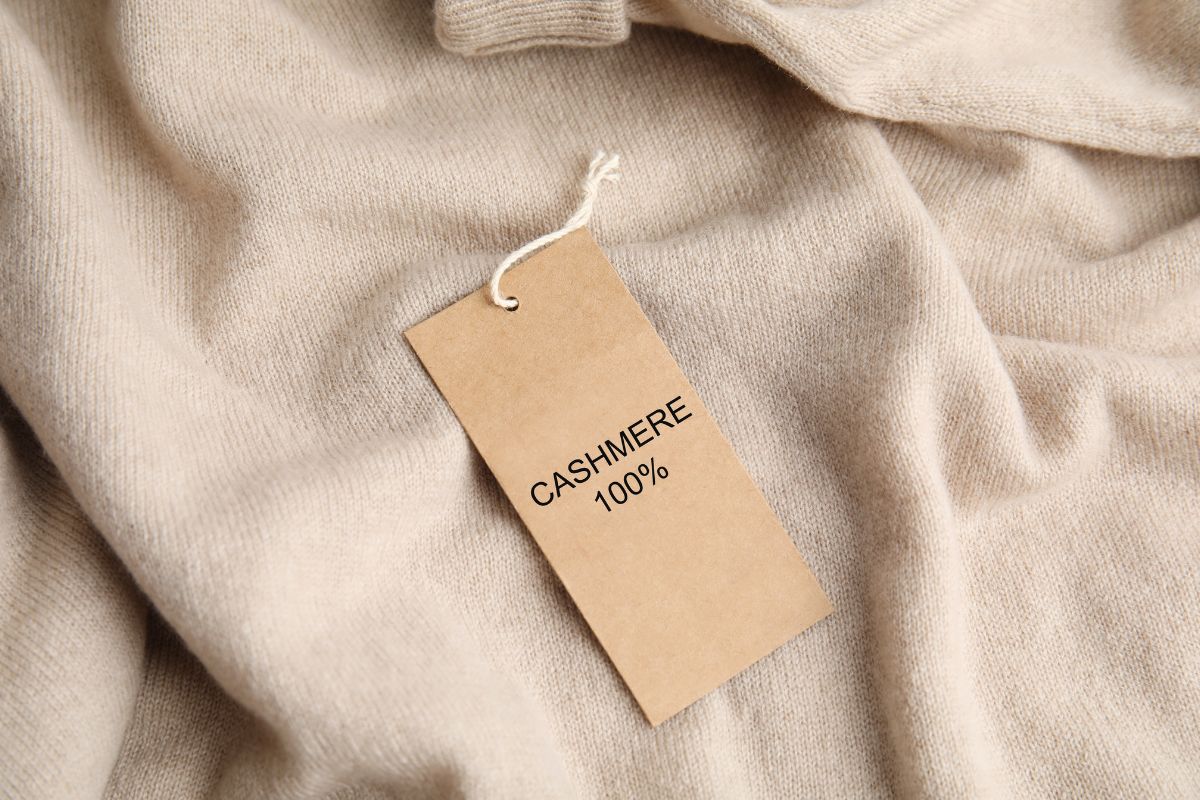
Each person was asked to imagine having an $80 budget and to choose between buying one $80 high-end sweater ‘made of wool and cashmere, a durable, premium piece that should last for years’, or four $20 mid-range sweaters, ‘made of a cotton-merino-wool blend with long sleeves and ribbing at the neckline and hem’.
Participants who were shown the awe-inspiring video were more inclined to buy the single premium sweater than those in the control or amusement groups.
Dr Seo said the second experiment explored why this happened and found that awe makes people think more about the future, which in turn increases their concern for sustainability.
The third experiment ruled out the possibility that awe might make people prefer minimalism, and the final experiment tested when the ‘awe-effect’ disappears, finding that if mid-range products are clearly labelled as environmentally friendly, the influence of awe goes away.
"From a marketing standpoint, our findings situate awe as a powerful emotional lever that can help brands bridge the gap between consumers' sustainability values and their actual purchase behaviours."
Dr Seo pointed to campaigns like Rolex's 'Perpetual Planet,' which associated its timepieces with geological timelines, and Stella McCartney's 'Nature's Couture,' which presented fashion as an extension of natural ecosystems and said they showed how brands, particularly luxury brands, had been leveraging awe to highlight product longevity and sustainability.
More industry news here